Siloed Planning
Teams operate based on professions, isolated from each other. Plans are influenced by subjective experience, not connected evidence across clinical, financial, and people data.
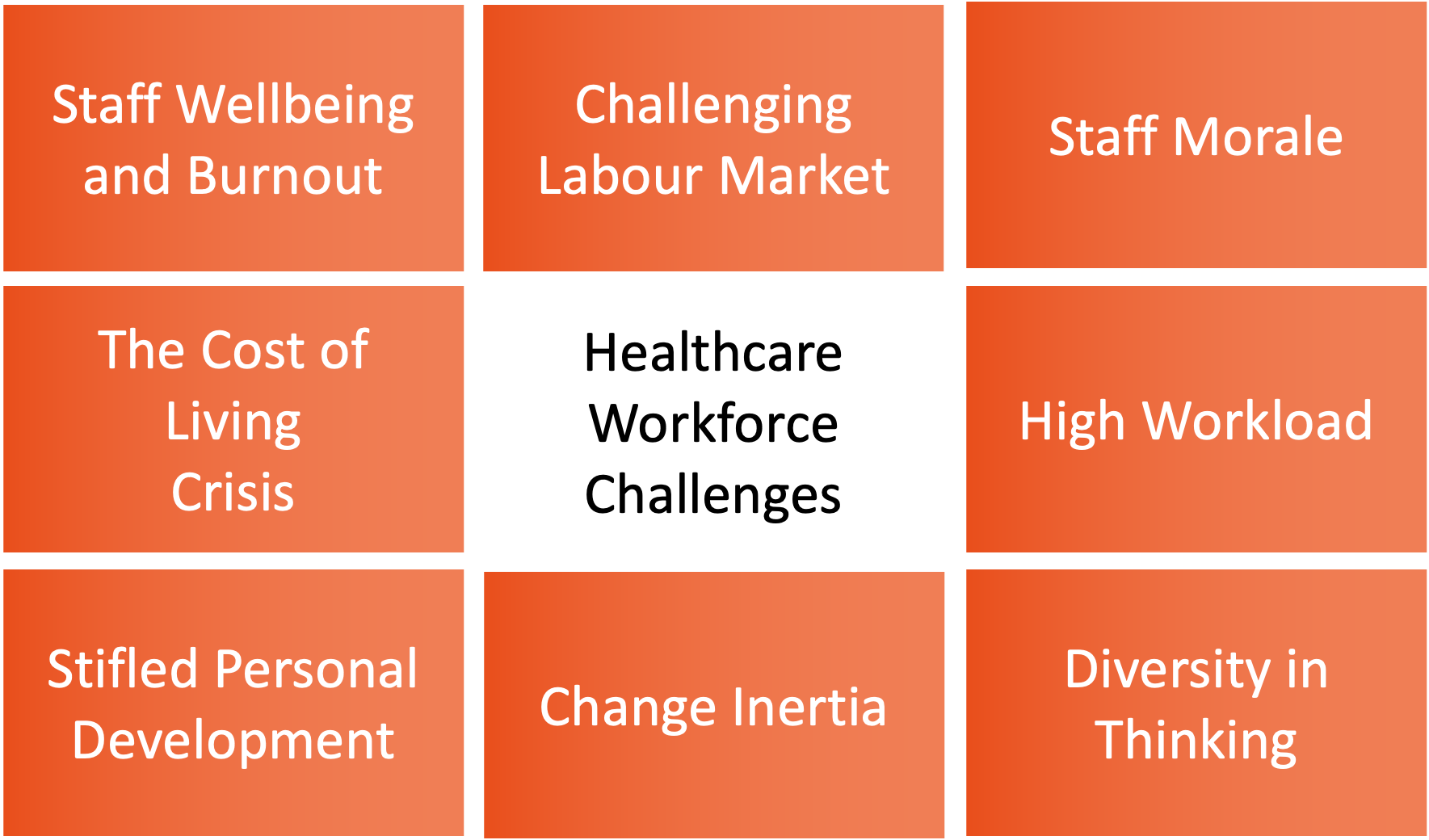
Traditional workforce planning treats staff as interchangeable units — bands, rotas, vacancy rates. It misses why people leave, what drives burnout, and where interventions actually work.
Workforce Decision Intelligence changes this. We segment your workforce by needs, behaviours, and motivations — then design interventions that stick.
Proven at

Healthcare organisations keep applying the same planning methods and expecting different results. WDI addresses the root causes.
Teams operate based on professions, isolated from each other. Plans are influenced by subjective experience, not connected evidence across clinical, financial, and people data.
Little understanding of whether past interventions actually improved quality, productivity, or wellbeing. Money is spent on retention initiatives with no evidence of impact.
Interventions are abstract and lack a holistic view. Staff are treated as “bands” and “headcount” — missing the human needs and motivations that drive behaviour, retention, and performance.

WDI Segmentation Framework · Needs, Behaviours & Motivations
Behavioural Segmentation
We segment your workforce by needs, behaviours, and motivations — not just roles, bands, and functions. Using existing operational data and staff surveys to uncover patterns no spreadsheet can reveal.
Integrated Intelligence
WDI aligns clinical, performance, workforce, and finance data into a single evidence base. No more siloed planning — one version of the truth connecting people strategy to patient outcomes.
Precise Interventions
Instead of abstract retention programmes, WDI identifies exactly where to intervene — which segments, which divisions, which shift patterns — for maximum impact on wellbeing and productivity.
Capability, Not Dependency
We build your team’s ability to use data for everyday decisions. The platform is designed to make your organisation self-reliant — not reliant on consultants.
SIA (Strasys Intelligence Agent) is coming to Workforce Decision Intelligence. The same conversational AI that powers MIA in the Maternity Index — where it’s already live — will extend to workforce analytics. Ask questions like “Why is turnover rising in Band 5 nurses?” and get AI-generated explanations grounded in your trust’s actual data.
Ask questions in natural language
Understand why metrics are moving
Get suggested interventions
Compare against peer trusts
Already live as MIA in the Strasys Maternity Index
“I don’t know any CFO who wouldn’t be interested in this work, which has a potential 9% recurrent savings. An unbelievable return on investment. It’s a no-brainer.”
James Dawson
Deputy Director of People, UHLG
“This is the first time in my 20+ years at the Trust that we are really getting to understand our staff. This is so much more effective than the typical soulless top-down management by numbers.”
Staff Member
University Hospitals of Liverpool Group
“We are empowering colleagues with interconnected insights to grasp the changing workforce dynamics and plan more precise interventions, ensuring happier staff, better patient care, and an adaptable and ready-for-the-future healthcare system.”
Pip Gaskell
Director of People, UHLG
“Through WDI, we’ve been able to align our People Plan not just with organisational objectives but also with what matters most to our workforce. The impact is already showing.”
Melissa Swindell
Chief People Officer, Alder Hey Children’s NHS FT
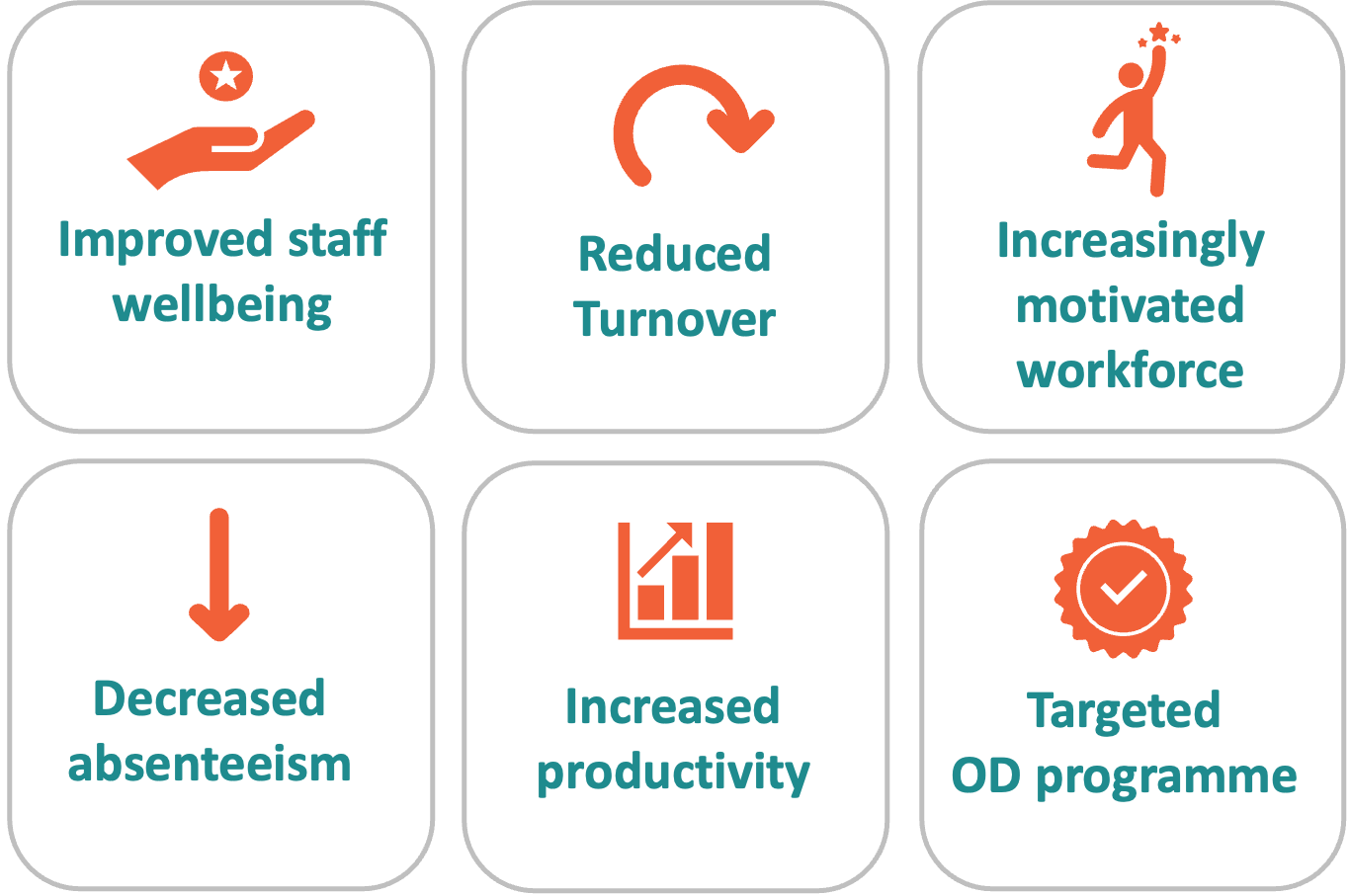
University Hospitals of Liverpool Group used WDI to transform strategic workforce planning. The segmentation approach identified millions in savings, improved engagement, and aligned the People Plan with what staff actually need — not what leadership assumed they needed.

Source: Strasys WDI deployment at University Hospitals of Liverpool Group
Build a People Plan grounded in evidence — aligning workforce strategy with what staff actually need, not what you assume they need.
Identify the 9% recurrent savings hiding in workforce friction — agency dependency, shift-pattern waste, and retention failure.
Connect workforce data to service delivery — understanding how staffing patterns drive clinical outcomes and patient experience.
Plan workforce at system level — understanding how staff move between providers and where collaborative interventions create shared value.

How University Hospitals of Liverpool transformed strategic workforce planning, identified millions in savings, and created better engagement.
Strasys
Case Study

How unique workforce data and insights improved retention, productivity, and staff wellbeing.
Strasys
Case Study
New approaches to closing the performance gap — with international perspectives.
Strasys Insights Team
Panel Discussion
A short conversation can show you what your workforce data reveals when you look at it differently. No forms. No sales pitch. Just evidence.