The societal roots of health inequalities
In the third Thinking Differently webinar, chair Dr Nadeem Moghal, Chief Medical and Innovation Officer at Strasys, highlighted the health inequalities and the societal choices that contribute to them. Tackling health inequalities is complex and demands significant time, investment, and dedication to the wellbeing of both staff and patients. The panel brought together leaders from acute trusts, public health, community organisations, and population health to explore what the NHS can practically do.

Dr Nadeem Moghal
Chief Medical and Innovation Officer, Strasys
The societal roots of health inequalities
Dr Nadeem Moghal began by reflecting on the historical roots of health inequalities. How we organise society is a choice with consequences, including the acceptance of structural inequalities that contribute to health disparities. COVID exposed and exacerbated existing inequalities, hitting the most disadvantaged the hardest. This revelation has spurred initiatives such as Inclusive Recovery, 20PLUS5, and Access, urging healthcare providers to rethink their roles. Nadeem highlighted the need for healthcare to extend beyond its traditional model, questioning how employers, economic enablers, and service providers can drive local economic impact through a population-centric approach.
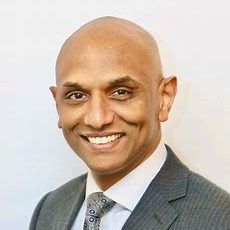
Mr Ajit Abraham
Group Executive Director for Inclusion & Equity, Barts Health NHS Trust
Inclusive leadership and a fair, just culture
Mr Ajit Abraham, a senior leader in one of the largest hospital groups in the UK, discussed the necessity of inclusive leadership and fostering a fair, just culture. Working in a highly deprived area, Ajit stressed that fairness and equity are central to addressing health inequalities. He invoked John Rawls’ difference principle, which asserts that systems should benefit the least privileged. While the NHS is crucial in tackling health inequalities, it cannot resolve these issues alone. A broader societal approach involving various sectors is necessary. To integrate inclusion and equity at Barts, Ajit has embedded these values in the Group operating plan, with inclusion goals part of quarterly performance reviews and equity reporting scrutinised at board level.

Samira Ben Omar
Director, Samira Ben Omar Associates and Trustee, Nuffield Trust
Communities and inequality
Samira Ben Omar, with extensive experience in the NHS and public sector, emphasised the need for bridging the gap between the hierarchical public sector and the emergent community sector. She advocated for the “community voices” approach, which emerged from crises like COVID and the Grenfell fire. The focus should be on fostering meaningful community engagement, ensuring ethical accountability, and being transparent in addressing local issues. Key strategies include empowering communities to make their own decisions, investing in safe spaces for local action, addressing racism proactively, and measuring impacts based on community values. This aligns with the population segmentation approach at the heart of Decision Intelligence.
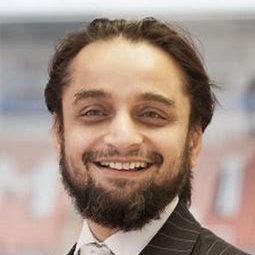
Dr Arif Rajpura
Director of Public Health, Blackpool Council
Short, medium, and long-term action on inequalities
Dr Arif Rajpura, Director of Public Health for Blackpool Council, discussed the importance of addressing immediate, medium, and long-term factors impacting health inequalities. For immediate action, the NHS can improve health through tackling issues such as high blood pressure, cholesterol and maximising uptake of vaccinations and screening in marginalised communities. Long-term efforts must tackle root causes like unemployment, poor housing, and education, requiring substantial investments in quality jobs, early childhood services, and local economies. Effective action at the community level, supported by both local and national efforts, is crucial. The workforce intelligence dimension matters here too: staff in deprived areas face the same health inequalities as their patients.

Maggie Oldham
CEO, Blackpool Teaching Hospitals NHS Foundation Trust
Acute trust perspective and workforce challenges
Maggie Oldham, Chief Executive of Blackpool Teaching Hospitals NHS Foundation Trust, provided an acute trust perspective, focusing on gender and deprivation issues in Blackpool. She highlighted the challenges faced by the local population, including low life expectancy, high rates of chronic illnesses, and socioeconomic factors negatively impacting women’s health. Blackpool is the second hardest place in the country for females to grow up and with a predominantly local and female workforce, understanding and addressing these issues within the organisation is critical. The Board is committed to integrating inclusion and equity into core operations. Organisations that successfully support their staff tend to excel in patient care. The Strasys Academy works with trusts to build exactly this kind of leadership capability.
20 yrs
life expectancy gap between wealthiest and poorest areas
5
speakers from acute, public health, community, and trust leadership
1 in 4
NHS staff come from ethnic minority backgrounds
Key takeaways
Understand your workforce, be curious about what matters to them, and prioritise local recruitment. Every pound spent locally helps break the cycle of inequality. Presence and participation in local issues are crucial. If we don’t understand the needs of the citizen, patient and the family, then we are failing as professionals.
If your board is still treating health inequalities as a compliance checkbox rather than a strategic priority, a short conversation can clarify how population intelligence could significantly improve your understanding of unmet need and where to focus resources. No pitch. Just a practical starting point.
Further reading: A framework for action on health inequalities. Register for the next Thinking Differently webinar.
Questions leaders ask about health inequalities
-
NHS trusts can take immediate action on screening uptake, blood pressure management, and vaccinations in marginalised communities. Medium-term, they can embed inclusion and equity in operating plans and board performance reviews. Long-term, they must act as anchor organisations, investing in local recruitment, community partnerships, and addressing root causes like unemployment and poor housing. Population segmentation helps identify where to focus.
-
CORE20PLUS5 is an NHS England approach to reducing healthcare inequalities. It focuses on the most deprived 20% of the population, inclusion health groups (such as people experiencing homelessness), and five clinical areas. NHS trusts are expected to embed CORE20PLUS5 priorities into their planning and delivery. Decision Intelligence provides the analytical capability to identify and act on these priorities with precision.
-
Prof Sir Muir Gray identifies four types: waste left after a job has been done; waste due to low productivity; waste when interventions fail to achieve outcomes that matter; and waste due to opportunity costs where resources would produce more value elsewhere.
-
Health inequalities are driven by social determinants: employment, housing, education, income, and community infrastructure. The NHS is one actor in a complex system. Meaningful change requires partnership between trusts, local authorities, community organisations, and national policy. The NHS contribution is to use its role as an anchor organisation, employer, and data holder to drive local economic impact and target resources where they are most needed.