Strasys partnered with Alder Hey to transform its workforce planning and management through data and decision intelligence
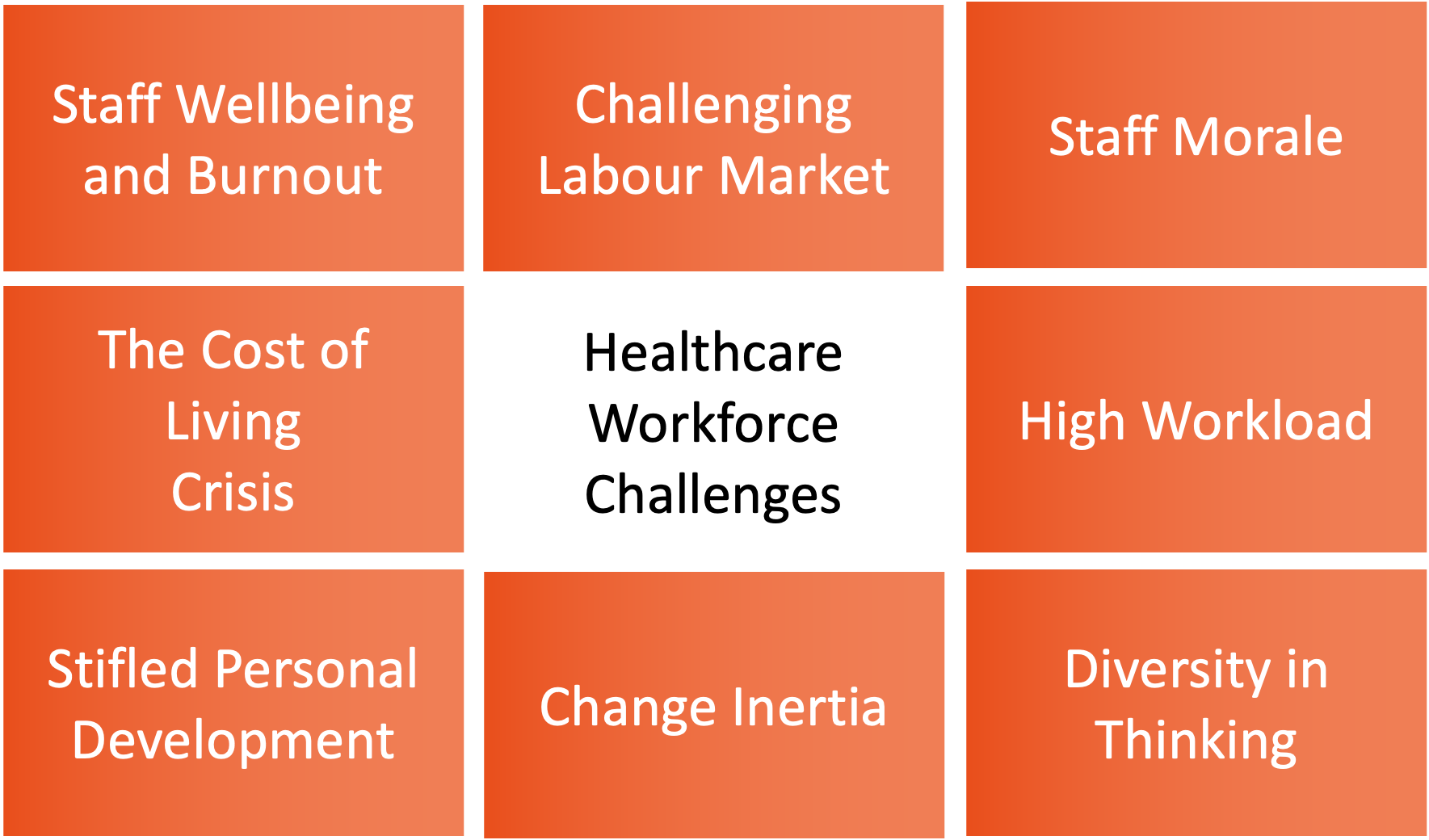
A leading healthcare provider faced significant workforce challenges and recognised an urgent need to overhaul its workforce planning and management methods.
WDI enabled the organisation to use its operational and staff data, including surveys, to better understand its employees’ needs, behaviours, and motivations.
This enabled it to identify unseen opportunities and create more effective interventions and support for staff, securing investment for growth.
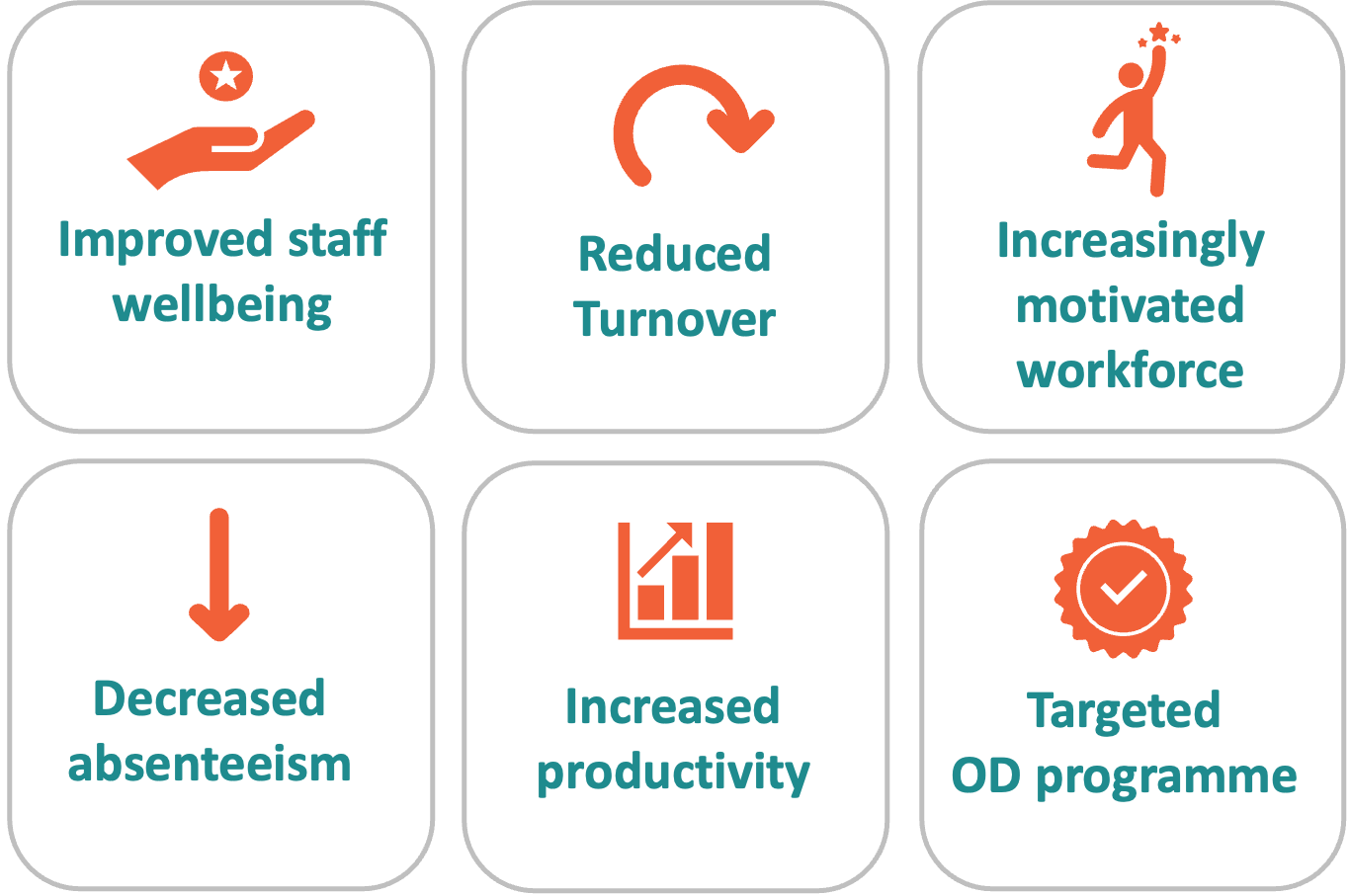
The impact: 2% reduction in sickness rate and 5% improvement in retention rate in one year! And £70m workforce savings identified with a defined transformation agenda that led to one the highest staff engagement figures in the country.

“On reflection, our practices and policies are very standardised, yet our people’s needs are so different that they need a different response.
We look at our people too often through the lens of their profession or staff grouping rather than the things that matter to them. For example, whatever staff group, those who stay long with us in the organisation talk about the same feelings, so what would our responses be to those needs rather than whether they are a nurse a doctor or a cleaner.
Whatever their profession, they need a sense of purpose and belonging to the wider cause, so what could that look like?
WDI gave us a totally new lens of where we have problems, disconnected areas, and the impact this has on productivity to develop new innovative interventions.”
Challenge: breaking free from siloed and data-poor approaches
Workforce planning in healthcare is often dictated by historical data, functions, and a focus on roles and metrics rather than people. For the organisation, this traditional approach led to:
- Siloed Planning: Teams operated based on professions, isolated from each other, with plans largely influenced by subjective experiences.
- Lack of Transparency: Little understanding of the effectiveness of past initiatives on quality, productivity, and wellbeing.
- Narrow Focus: Interventions that are too abstract and lack a holistic view of the workforce and support to enable new models of care.
The organisation sought a new strategy that would balance data-driven objectivity with a human-centric focus to improve workforce wellbeing and the quality of care.
Solution: connecting the human stories behind the data
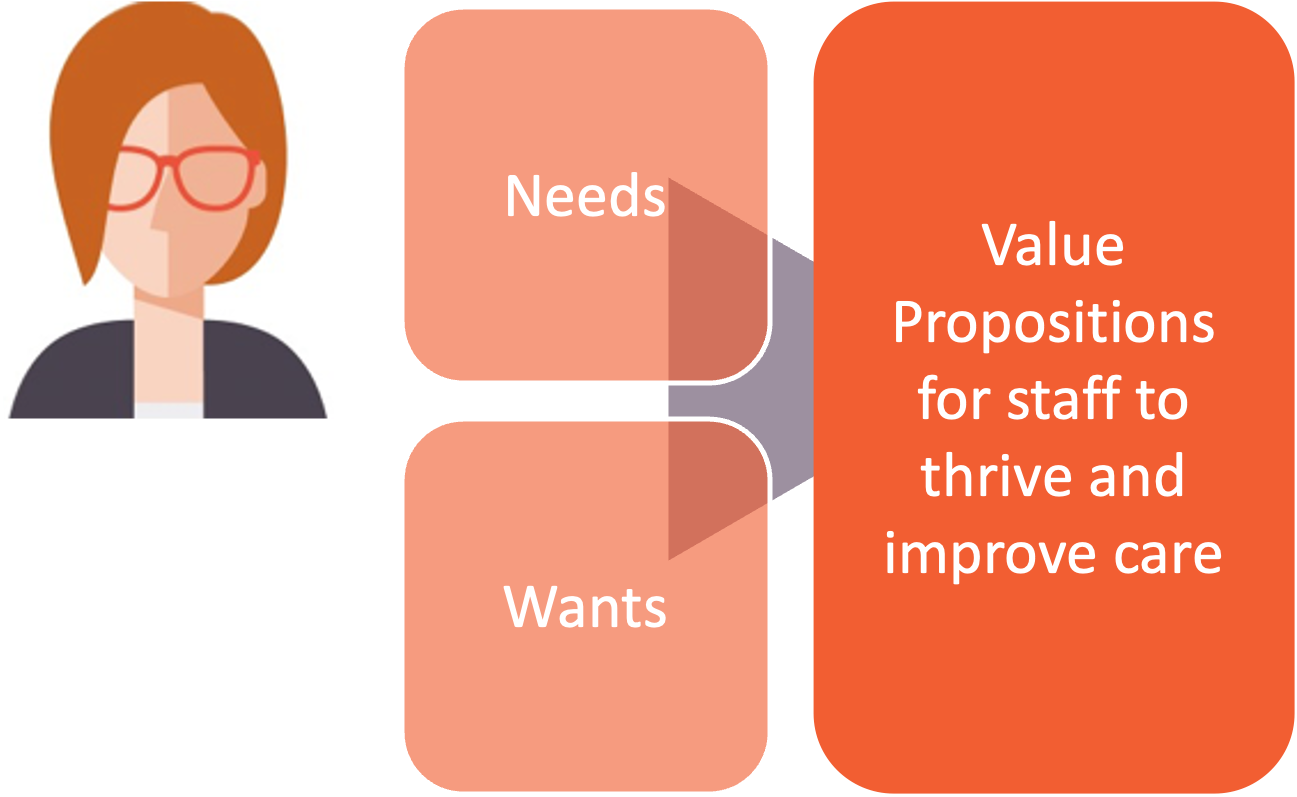
Using WDI, the trust segmented its workforce based on needs, behaviours, and motivations. Using existing data and staff feedback, the segmentation integrated performance metrics, providing a full spectrum of insights.
- Data-Driven: Objective, comprehensive analytics formed the backbone of the People Plan.
- Human-Centric: By focusing on individual motivations and needs, the plan moved beyond metrics to uncover the human stories behind the data.
- Integrated Planning: The process successfully aligned clinical, performance, workforce, and finance agendas.
The result was a data-backed, people-focused plan, tested and refined with real staff input.
“Through WDI, we’ve been able to align our People Plan not just with organisational objectives but also with what matters most to our workforce. This has been a paradigm shift in how we approach workforce planning, and the impact is already showing.”
Outcome: workforce driving improved care and organisation goals
- Board Approval: The People Plan received full board commitment within just six weeks, supported by a rigorous economic case.
- Alignment Across Agendas: The plan bridged gaps between the executive agendas: clinical, performance, workforce, and finance.
- Financial Viability: Identified significant opportunities for savings, representing a return on investment of more than 100x.
- Enhanced Wellbeing and Productivity: Developed targeted value propositions to improve staff wellbeing, reduce turnover, and address inequalities.